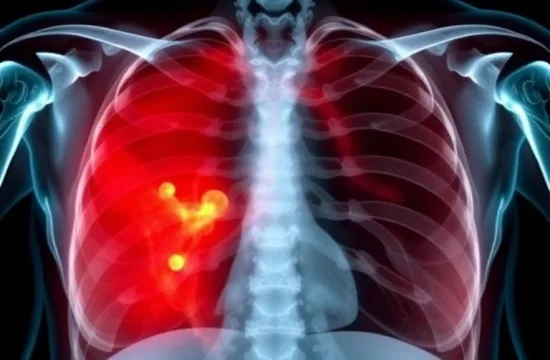
SEOUL, Jan 3 – Researchers at South Korea’s KAIST have developed a new cancer therapy that reprograms immune cells inside tumors into anticancer agents, potentially overcoming key limitations of existing immunotherapies.
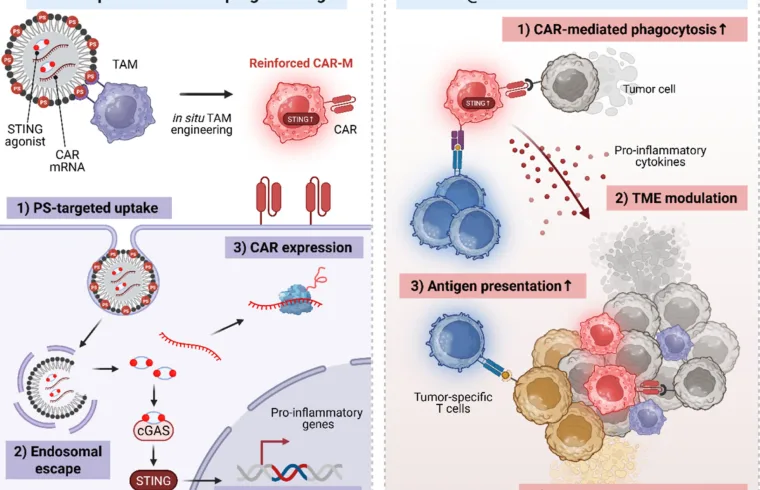
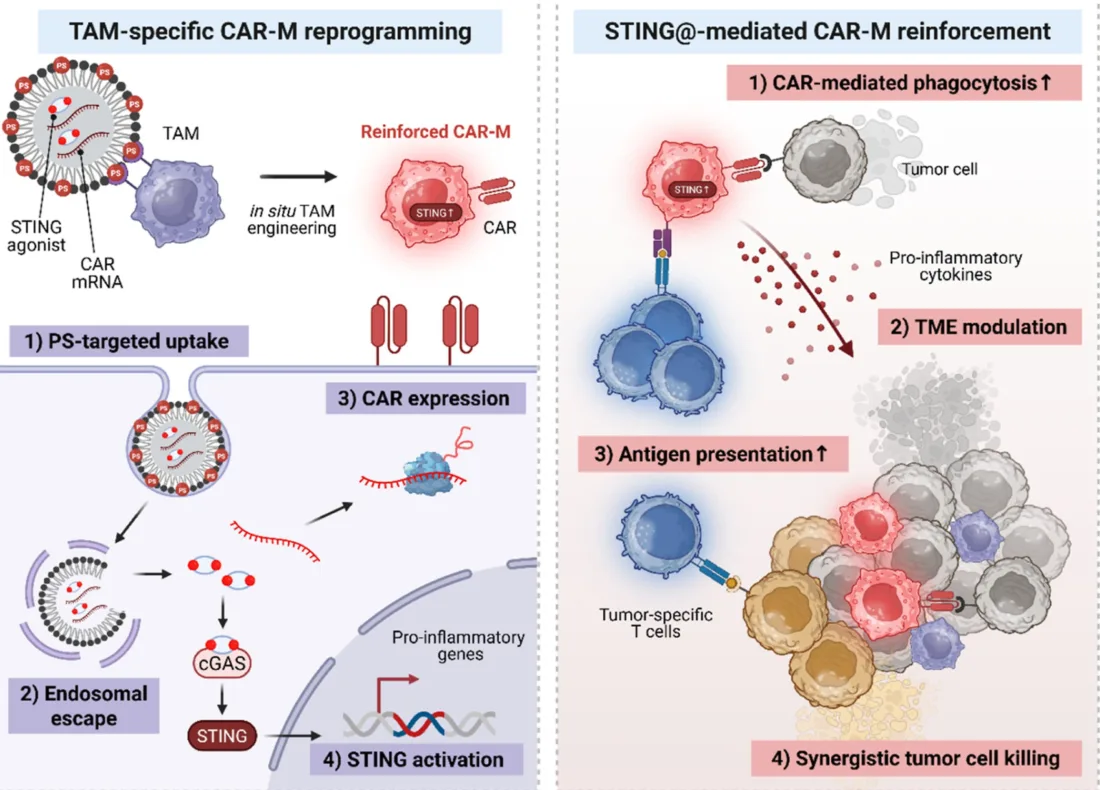
The team, led by Professor Ji-Ho Park of KAIST’s Department of Bio and Brain Engineering, announced on Tuesday that the approach uses lipid nanoparticles carrying mRNA and an immunostimulant. When injected directly into tumors, the particles are absorbed by macrophages already present in the body, prompting them to produce cancer-recognizing proteins and transform into “CAR-macrophages.”
Solid tumors such as gastric, lung and liver cancers typically suppress immune activity and block infiltration, reducing the effectiveness of current immune cell therapies. Conventional CAR-macrophage treatments also require extracting immune cells from blood, culturing and genetically modifying them — a process that is costly and time-consuming.
By directly converting tumor-associated macrophages in situ, the KAIST team reported enhanced cancer-killing ability and activation of surrounding immune cells. In animal models of melanoma, tumor growth was significantly suppressed and systemic immune responses were observed.
“This study presents a new concept of immune cell therapy that generates anticancer immune cells directly inside the patient’s body,” Park said, adding that the method addresses delivery efficiency and the immunosuppressive tumor environment.
The research, led by first author Jun-Hee Han, was published on Nov. 18 in ACS Nano, an international nanotechnology journal.