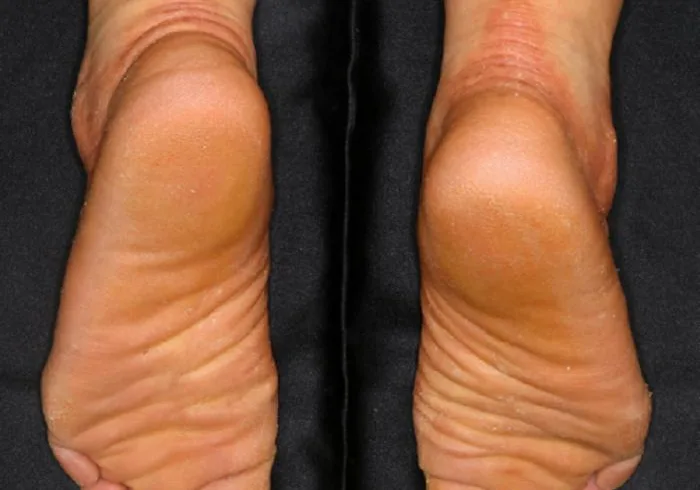
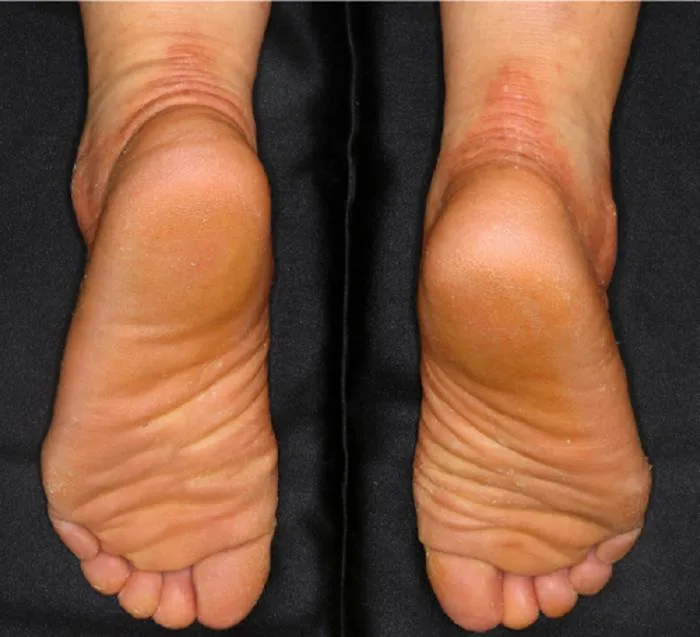
TOKYO, Jan 22 – A team at Kobe University has identified the bacterial cause behind the distinct foot odor associated with Nagashima-type palmoplantar keratosis (NPPK), a rare skin disorder affecting thousands in Japan and hundreds of thousands across East Asia.
The study, published in the Journal of Investigative Dermatology, found that patients with NPPK had significantly higher levels of bacteria on their foot skin compared with healthy individuals, particularly Corynebacterium tuberculostearicum and Staphylococcus epidermidis. Researchers reported that topical application of benzoyl peroxide reduced levels of C. tuberculostearicum and eased odor symptoms, though it had little effect on S. epidermidis.
NPPK, caused by mutations in the SERPINB7 gene, leads to redness on the palms and soles and has long been linked to distressing odor. “Many patients are troubled by foot odor, and we wanted to find a way to help,” said dermatologist Akiharu Kubo, who led the study.
The team hypothesizes that poor water repellency in the skin of NPPK patients allows bacterial overgrowth, producing odor. While the precise malodorous compounds remain unclear, researchers suspect isovaleric acid, a byproduct of bacterial metabolism, may be responsible. Identifying these metabolites could pave the way for more targeted therapies.
The research was supported by the Maruho Takagi Dermatology Foundation and the Japan Society for the Promotion of Science, with collaboration from Keio University and the RIKEN Center for Integrative Medical Sciences.