A new research center based at the University of Glasgow is setting out to develop the ‘cognitive’ cities of the future which will revolutionize urban life. The Centre for Integrated Sensing and Communication Enabling Cognitive…
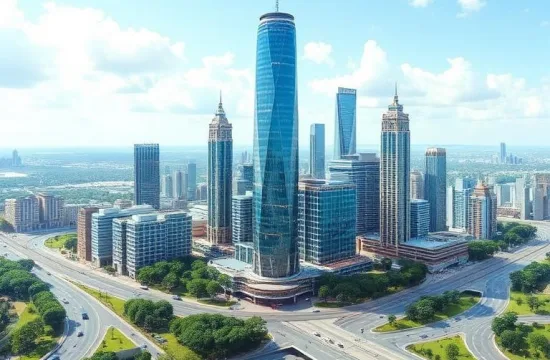

A new research center based at the University of Glasgow is setting out to develop the ‘cognitive’ cities of the future which will revolutionize urban life. The Centre for Integrated Sensing and Communication Enabling Cognitive…

PM2.5 trends in December – February: 2024-25 vs. 2025-26 I Courtesy: Suresh Pokhrel, ICIMOD Kathmandu, Feb 12 – Air quality in Nepal’s Kathmandu Valley showed a brief improvement in December but quickly deteriorated again in…

Ultra-sensitive devices are being developed to detect biological and chemical compounds. [caption id="attachment_11787" align="alignnone" width="1121"] Light waves that travel on insulating or dielectric materials such as glass can increase the sensitivity of optical sensors and…
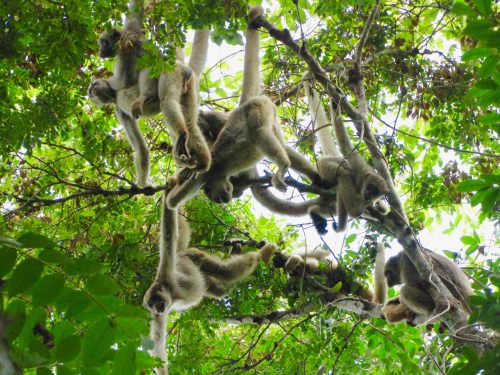
[caption id="attachment_11783" align="alignnone" width="631"] Muriqui monkeys in a federally-protected reserve in southeastern Brazil, called RPPN Feliciano Miguel Abdala. UW–Madison Professor Karen Strier has studied the critically-endangered muriqui monkeys in this patch of Brazil’s Atlantic Forest…
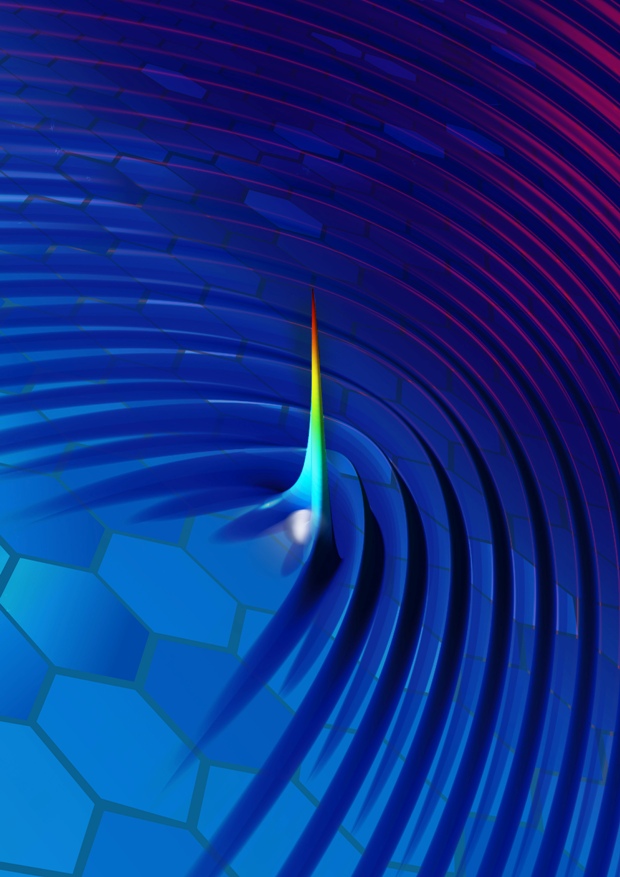
Electronic oscillations in graphene could make a tabletop—or even handheld— source of X-rays a reality. [caption id="attachment_11779" align="alignright" width="212"] A free electron ‘wiggled’ by graphene plasmons emits an X-ray pulse. Credit : A*STAR Singapore Institute…
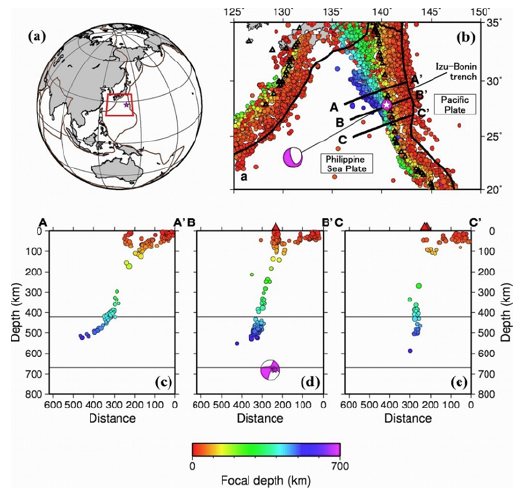
Researchers at Tohoku University's Department of Geophysics, have been studying the deep earthquake which occurred on May 30, 2015, to the west of Japan's Bonin Islands. [caption id="attachment_11771" align="alignnone" width="637"] Figure 1. (a, b) The…