PARIS – UNESCO and the Fondation L’Oréal on Tuesday named five women researchers as laureates of the 2026 L’Oréal-UNESCO For Women in Science International Awards, recognizing their pioneering work in life and environmental sciences. The…


PARIS – UNESCO and the Fondation L’Oréal on Tuesday named five women researchers as laureates of the 2026 L’Oréal-UNESCO For Women in Science International Awards, recognizing their pioneering work in life and environmental sciences. The…

Budapest — The CERN Council on Friday approved an update to the European Strategy for Particle Physics, setting out priorities for the next decades of research and confirming plans for a possible new collider. The…

Ultra-sensitive devices are being developed to detect biological and chemical compounds. [caption id="attachment_11787" align="alignnone" width="1121"] Light waves that travel on insulating or dielectric materials such as glass can increase the sensitivity of optical sensors and…
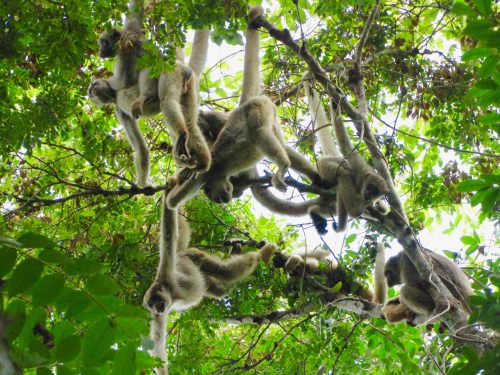
[caption id="attachment_11783" align="alignnone" width="631"] Muriqui monkeys in a federally-protected reserve in southeastern Brazil, called RPPN Feliciano Miguel Abdala. UW–Madison Professor Karen Strier has studied the critically-endangered muriqui monkeys in this patch of Brazil’s Atlantic Forest…
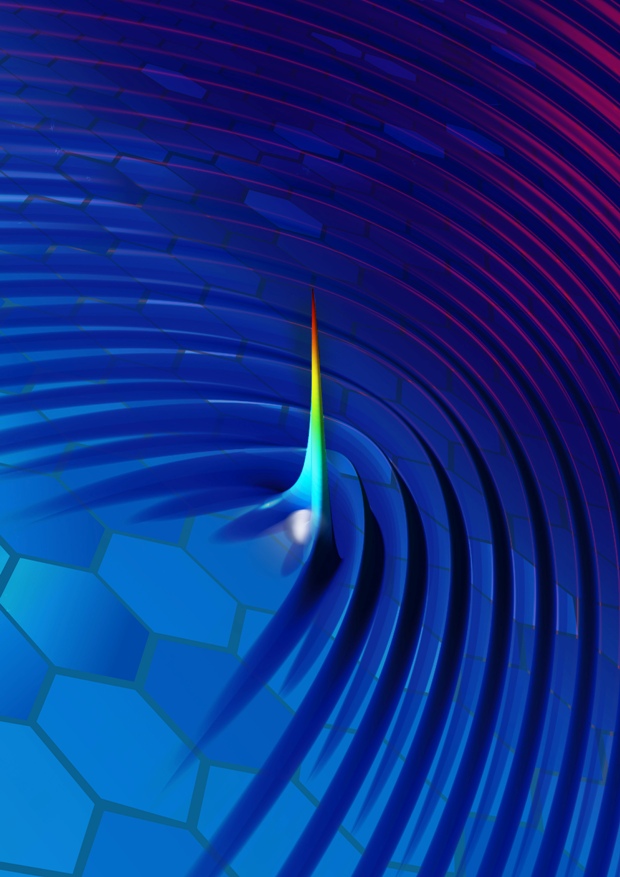
Electronic oscillations in graphene could make a tabletop—or even handheld— source of X-rays a reality. [caption id="attachment_11779" align="alignright" width="212"] A free electron ‘wiggled’ by graphene plasmons emits an X-ray pulse. Credit : A*STAR Singapore Institute…
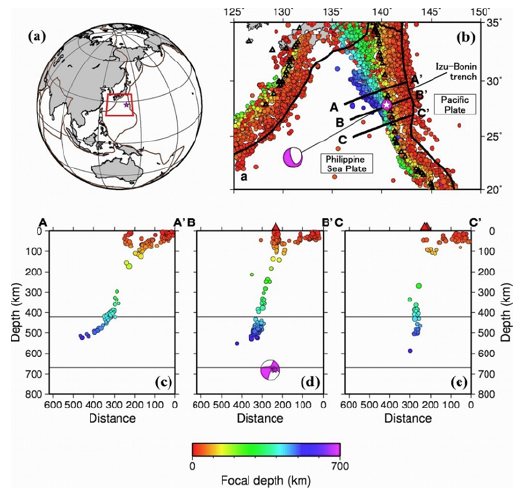
Researchers at Tohoku University's Department of Geophysics, have been studying the deep earthquake which occurred on May 30, 2015, to the west of Japan's Bonin Islands. [caption id="attachment_11771" align="alignnone" width="637"] Figure 1. (a, b) The…