KATHMANDU, March 13 – Nepal has concluded its inaugural Advanced Training and Training of Trainers (TOT) program in Retrieval Medicine, a landmark initiative aimed at boosting emergency medical capacity. The program, held from March 23…


KATHMANDU, March 13 – Nepal has concluded its inaugural Advanced Training and Training of Trainers (TOT) program in Retrieval Medicine, a landmark initiative aimed at boosting emergency medical capacity. The program, held from March 23…

BERLIN – Turtles that fed on hard-shelled prey such as gastropods and bivalves were far more likely to survive the mass extinction that wiped out the dinosaurs 66 million years ago, according to new research.…
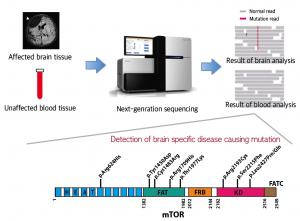
KAIST researchers have discovered that brain somatic mutations in the MTOR gene induce intractable epilepsy and suggest a precision medicine to treat epileptic seizures. [caption id="attachment_3672" align="alignright" width="300"] A schematic image shows how to detect…
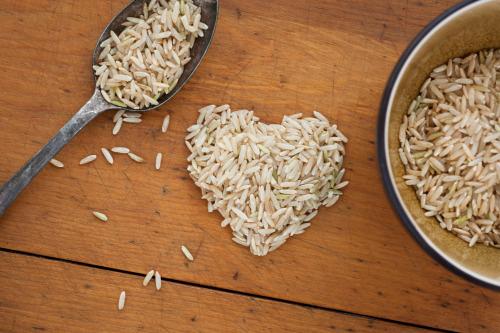
Rice, the lifeblood of so many nations' cuisines, is perhaps the most ubiquitous food in the world. In Asia, where an estimated 90 percent of all rice is consumed, the pillowy grains are part of almost every meal. In…

[caption id="attachment_3663" align="alignnone" width="638"] CREDIT: SHUTTERSTOCK[/caption] Not only will some foods become scarcer as the planet warms, they’ll also become less tasty too, according to a new report. Published Monday by scientists from the University…
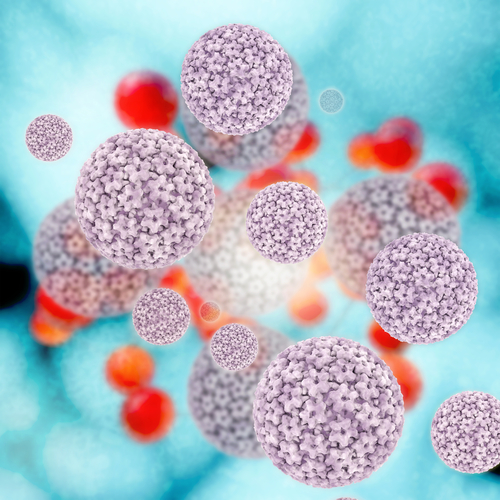
[caption id="attachment_3651" align="alignright" width="629"] 3D rendered illustration of the papilloma virus. (Source: Shutterstock)[/caption] For people infected with the human papilloma virus (HPV), the likelihood of clearing the infection and avoiding HPV-related cancer may depend less…