The MOMENTUM study found 27 percent of patients with resistant hypertension have hypercortisolism. More than one in four patients with resistant hypertension have elevated cortisol levels, according to new findings from the MOMENTUM study presented…
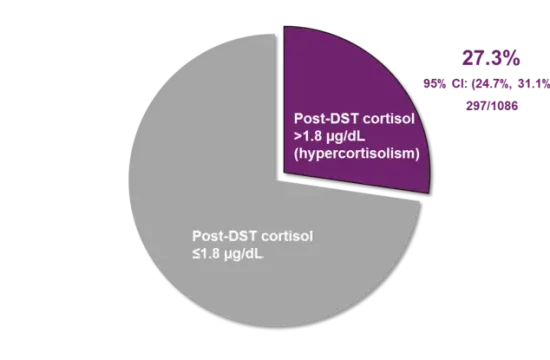

The MOMENTUM study found 27 percent of patients with resistant hypertension have hypercortisolism. More than one in four patients with resistant hypertension have elevated cortisol levels, according to new findings from the MOMENTUM study presented…

Rocket Lab's Electron revealing Celeste IOD-1 and 2 (artist impression): IMAGE: ESA The European Space Agency (ESA) launched the first two satellites of its Celeste mission on Friday, marking a step toward strengthening Europe’s satellite…
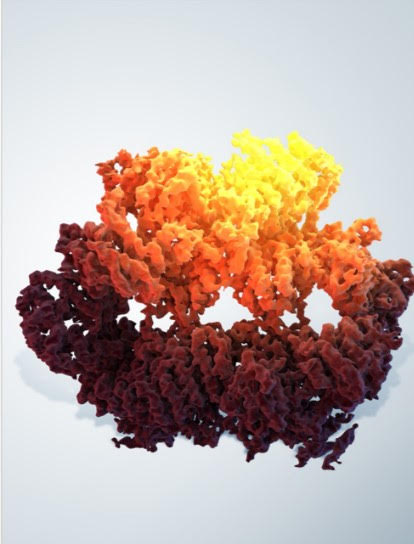
[caption id="attachment_13771" align="alignright" width="309"] Artist's concept of Launching the cellular DNA-damage response by the ATR-ATRIP complex. (Image by WANG Guoyan and CHEN Lei, USTC)[/caption] Cells continuously replicate to repair and replace damaged tissue, and each…
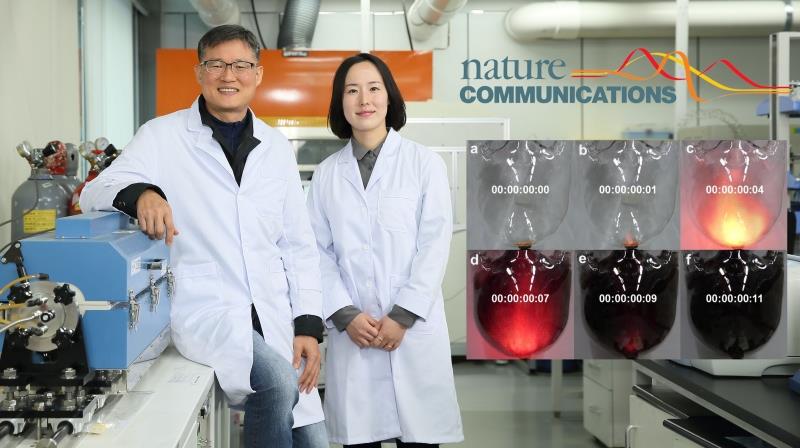
A team of Korean researchers, affiliated with South Korea's Ulsan National Institute of Science and Technology (UNIST), has presented a new synthetic protocol to produce three-dimensional porous organic materials in the blink of an eye,…
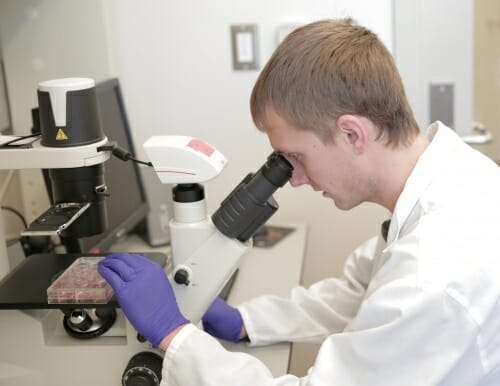
[caption id="attachment_13761" align="alignnone" width="617"] Biomedical engineering graduate student Jared Carlson-Stevermer observes real-time CRISPR/Cas9 gene editing at the microscope. STEPHANIE PRECOURT[/caption] For the past five years, CRISPR-Cas9 technology has revolutionized the field of gene editing due to its…
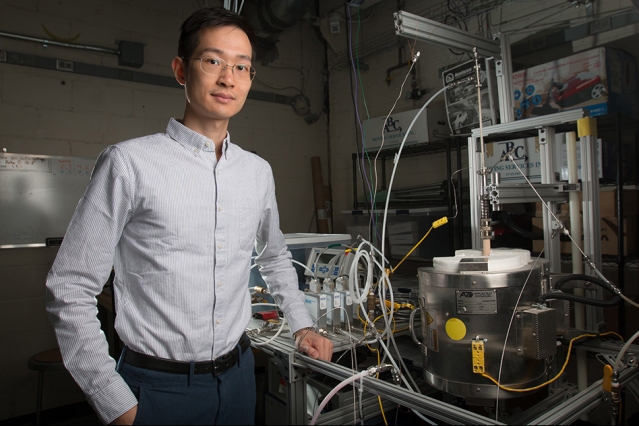
MIT-developed method converts carbon dioxide into useful compounds. [caption id="attachment_13758" align="alignright" width="639"] XiaoYu Wu pictured with the reactor his team used for the research. MIT researchers have developed a new system that could potentially be…