Budapest — The CERN Council on Friday approved an update to the European Strategy for Particle Physics, setting out priorities for the next decades of research and confirming plans for a possible new collider.
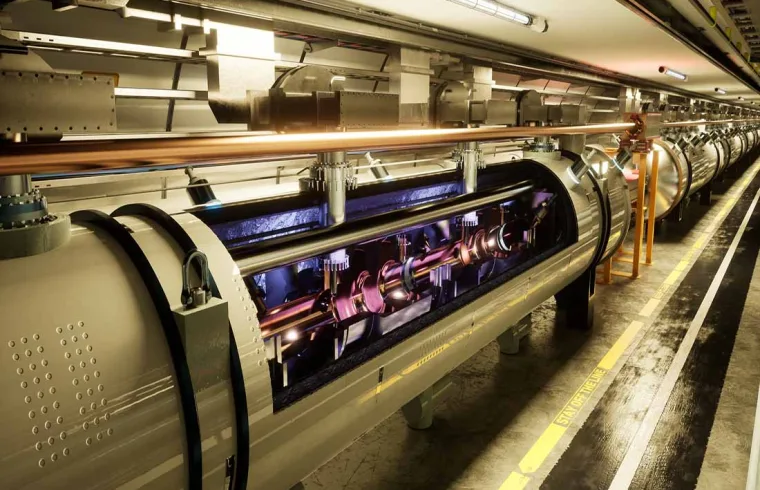
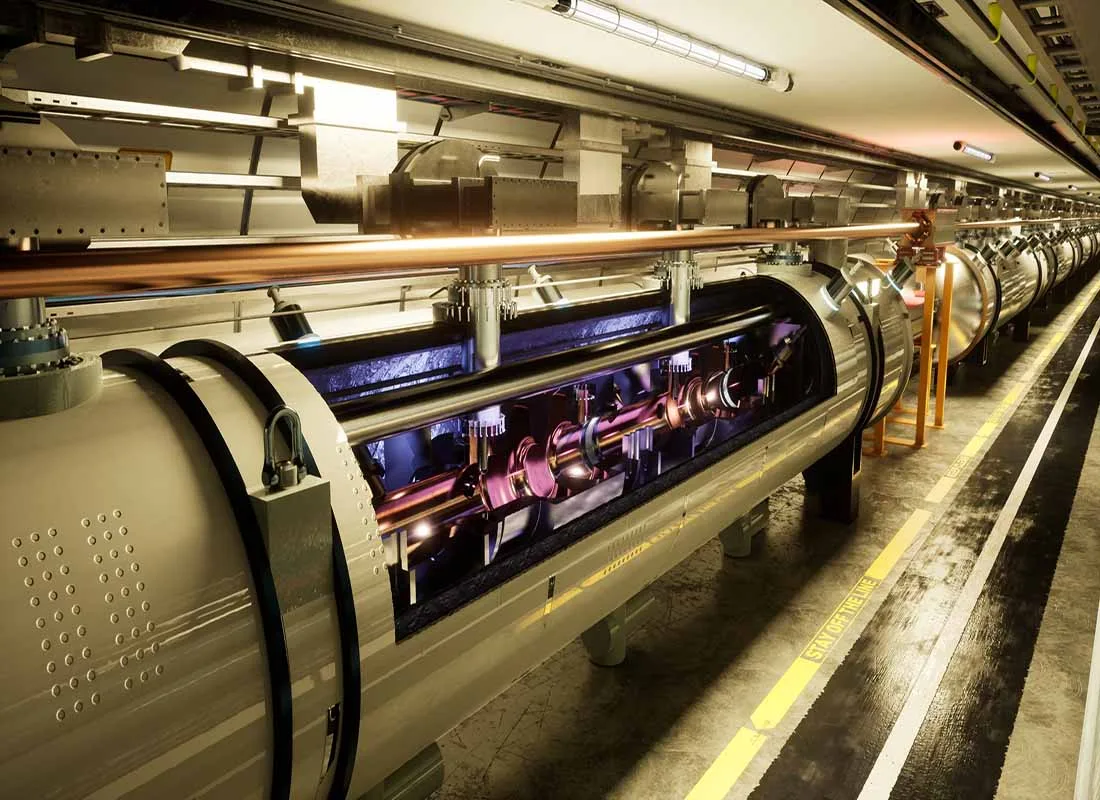
The strategy, developed over two years with input from more than 260 submissions, reaffirms completion of the High-Luminosity upgrades to the Large Hadron Collider (LHC) as the medium-term priority. For the longer term, the electron–positron Future Circular Collider (FCC-ee) was recommended as the preferred flagship project.
The FCC-ee would focus on precision studies of the Higgs boson and other particles, building on the 2012 Higgs discovery at the LHC. CERN says the project would also drive technology development and train thousands of scientists and engineers.
The update follows a 2020 strategy that first identified a “Higgs factory” as the next major facility after the LHC’s planned retirement in 2041. A feasibility study for the FCC was published in March 2025 and reviewed later that year.
CERN management has been asked to begin talks with member states, associate members and the European Union to develop a funding plan. Annual reports will be provided, with a final decision on the FCC-ee expected in 2028.
Council President Costas Fountas said the update “has united the high-energy physics community” and confirmed the FCC-ee as the preferred option. CERN Director-General Mark Thomson called the collider “a visionary global research infrastructure,” while Strategy Secretary Karl Jakobs said feasibility and costs had been clearly defined.