VIENNA – More than half of all thefts of nuclear and other radioactive material reported to the International Atomic Energy Agency’s Incident and Trafficking Database (ITDB) since 1993 occurred during authorized transport, new data released on Tuesday showed.
The IAEA said that of 4,626 incidents logged between 1993 and 2025, 730 involved theft or attempted theft of radioactive material. Nearly 55% of those thefts took place during transport, and in about 400 cases – roughly 59% – the stolen material has not been recovered.
“Nuclear and other radioactive material remains vulnerable to security threats during transport, and data from the ITDB underscores the continued need to strengthen security,” said Elena Buglova, Director of the IAEA’s Division of Nuclear Security. She added that the agency supports countries in enhancing national nuclear security regimes to protect such materials against criminal or unauthorized acts.
The ITDB tracks illicit trafficking and other unauthorized activities involving nuclear and radioactive material outside regulatory control. While most incidents are not linked to trafficking or malicious intent, they highlight persistent challenges in transport security, regulatory oversight, disposal practices and detection.
In 2025, 236 incidents were reported by 34 of the 145 participating states, up from 147 in 2024. The increase was attributed to retrospective reporting.
The database covers all types of nuclear material – including uranium, plutonium and thorium – as well as naturally occurring and artificially produced radioisotopes. Incidents at metal recycling sites involving contaminated manufactured goods continue to be reported, underscoring difficulties in securing disused radioactive sources.
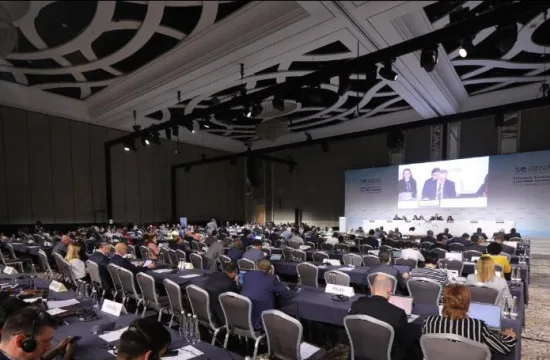
The release of the ITDB factsheet coincides with the IAEA’s International Conference on the Safe and Secure Transport of Nuclear and Radioactive Material, which is taking place this week. The agency estimates millions of shipments of nuclear and radioactive material are transported annually for peaceful uses in energy, medicine, education, agriculture and industry.
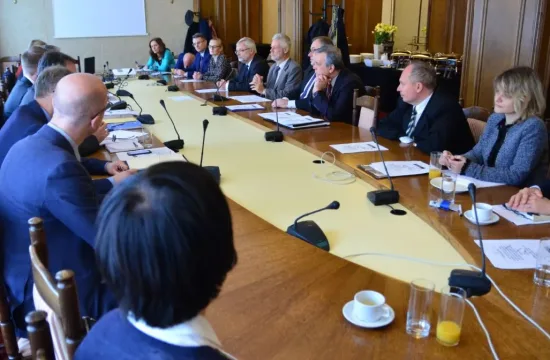
The conference will address legal and regulatory frameworks, transport package design, operational and supply chain issues, and emerging technologies aimed at improving safety and security in transport.