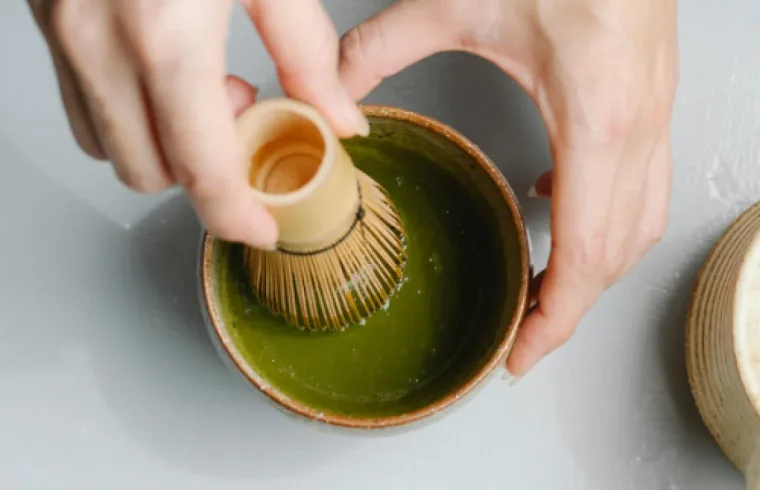

TOKYO – Japan’s matcha green tea may do more than provide a caffeine boost. A study in mice suggests it could help reduce sneezing linked to hay fever, researchers at Hiroshima University said.
Matcha, a powdered tea made from specially grown leaves, is already associated with health benefits, including improved heart and brain function. The new findings, published in npj Science of Food, point to a possible role in easing allergic rhinitis, commonly known as hay fever.
Professor Osamu Kaminuma and his team gave mice engineered to show hay fever symptoms matcha tea several times a week for more than five weeks. The animals also received an extra dose before exposure to allergens. The researchers found the mice sneezed less than expected.
The effect did not appear to involve typical immune pathways such as immunoglobulin E (IgE), mast cells or T cells, which normally drive allergic reactions. Instead, matcha suppressed activity in the brainstem linked to the sneezing reflex.
Analysis showed reduced expression of the c-Fos gene in the ventral spinal trigeminal nucleus caudali, a brain region activated during sneezing. “Oral matcha reduced sneezing without clearly changing major immune markers. Instead, it strongly suppressed brainstem neuronal activation,” Kaminuma said.
The next step will be to test whether the same effect occurs in humans. “The goal is an evidence-backed, food-based option that complements standard care for allergic rhinitis symptoms,” Kaminuma added.