OSAKA, – Researchers at Osaka Metropolitan University have developed an artificial intelligence system designed to reduce bias in automated decision-making by balancing accuracy with fairness.
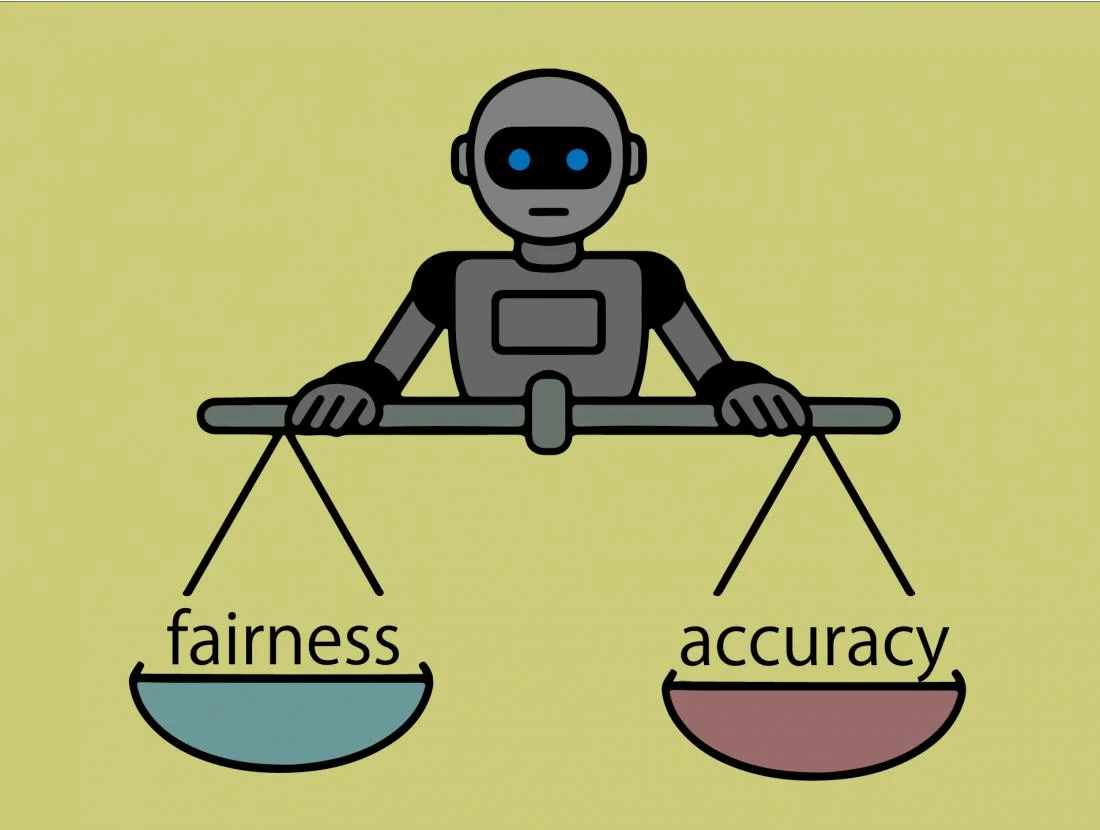
The team, led by Professor Yusuke Nojima at the Graduate School of Informatics, used “multiobjective fuzzy genetics-based machine learning” to evolve models that incorporate fairness directly into the training process. Unlike conventional approaches that prioritize prediction accuracy and assess fairness only afterward, the method evaluates both simultaneously.
Fuzzy systems differ from traditional AI by applying rules that resemble human reasoning, allowing for degrees of agreement rather than strict yes/no outcomes. The researchers tested their models on four benchmark datasets prone to bias in areas such as income prediction, credit risk, marketing response, and criminal reoffending.
“The designed models achieved accuracy and fairness that exceeded other models,” said first author Takeru Konishi, a graduate student.
By analyzing the trade-offs between accuracy and fairness, the group hopes to improve transparency in AI systems. “The findings will promote AI development that prioritizes fairness and transparency in addition to accuracy,” Nojima said.
The study was published in IEEE Transactions on Fuzzy Systems.