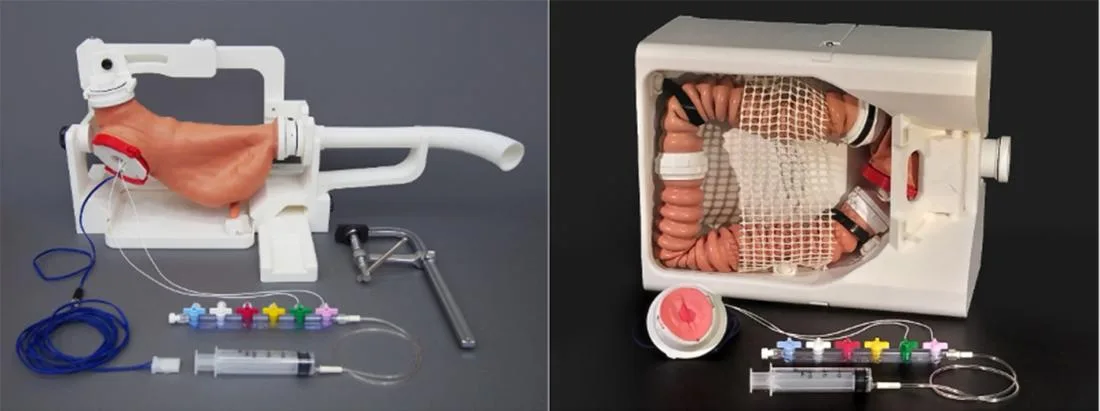
SENDAI, Jan 19 – A research team at Tohoku University has developed a high‑fidelity “dry” simulator to train doctors in Endoscopic Submucosal Dissection (ESD), a minimally invasive procedure for early gastrointestinal cancers that is considered technically demanding and carries risks of bleeding and perforation.
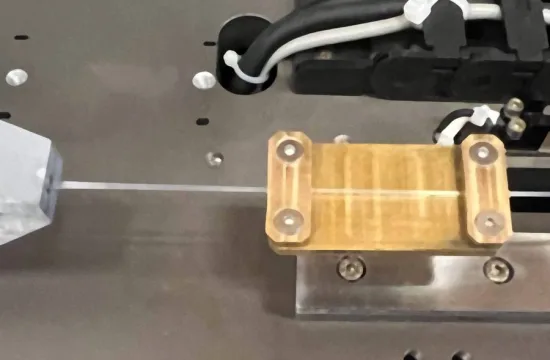
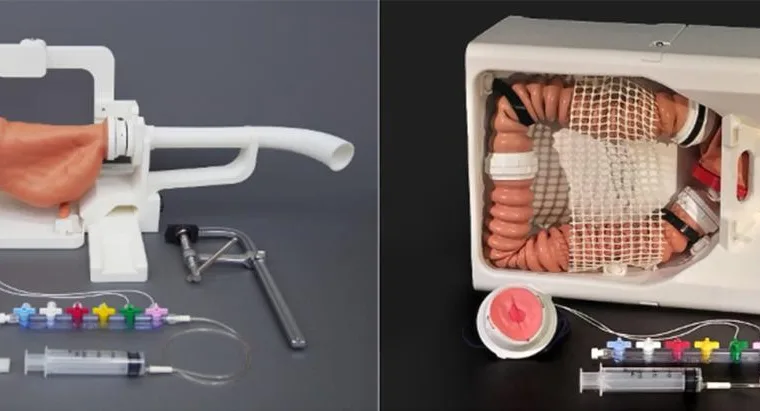
The project, conducted with Denka Company Limited and U‑A Corporation, uses multilayered sheets made from proprietary soft materials that replicate human mucosa, submucosa and muscle layers. The simulator reproduces the tactile sensation of tissue dissection and includes artificial blood vessels to mimic bleeding. If the muscle layer is damaged, a visible “fat layer” simulates perforation.
Traditional training has relied on animal models, which raise ethical and hygienic concerns, or on‑the‑job practice that can pose risks to patients. Validation by five expert physicians confirmed the simulator provides a procedural experience close to actual clinical practice.
Researchers said the innovation offers a safe, repeatable environment for both beginners and experienced doctors, eliminating the need for animal tissues and reducing patient risk. They expect the simulator to help standardize advanced endoscopic training worldwide and contribute to safer medical care.