SANTA BARBARA, Calif., – Researchers at the University of California, Santa Barbara have developed a new method to synthesize non-natural amino acids, potentially opening the door to advances in peptide-based therapeutics.
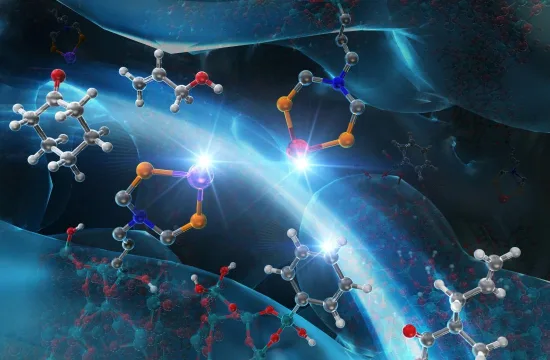
The technique, published in the Journal of the American Chemical Society, uses gold catalysis to produce amino acids from inexpensive chemical ingredients and incorporates them directly into peptides via a resin scaffold. The process is highly stereoselective and eliminates several modification steps required in existing methods.
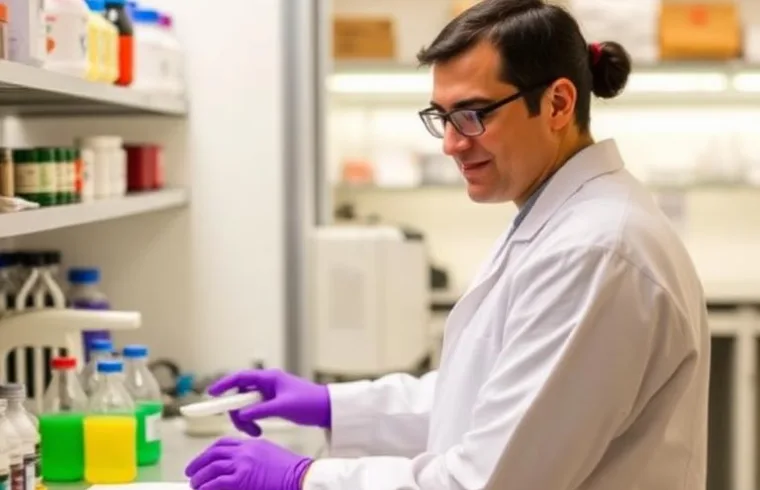
“The key advantage is that these amino acids come out of the process already in a form that can be used directly to make peptides,” said lead author Phil Kohnke, a doctoral student in Liming Zhang’s chemistry lab. “Compared to existing approaches, this is one of the most straightforward and broadly useful methods reported so far.”
Peptides, chains of 10 to 50 amino acids, are the basis of more than 80 approved drugs worldwide, including Ozempic, which contains a non-natural amino acid. By expanding the palette of available amino acids beyond the 22 found in nature, scientists hope to design more durable and effective medicines.
Zhang said incorporating non-natural amino acids could help “armor-plate” peptides against enzymes or force them into shapes that bind more effectively to receptors. The team is now working to automate the process and collaborate with other groups to make the technique accessible for drug development and materials research.