PARIS/NEW YORK — Gender inequalities are aggravating the global water crisis, with women and girls bearing the heaviest burden, according to a United Nations report released on Thursday.
The United Nations World Water Development Report, published by UNESCO on behalf of UN‑Water, found that women are responsible for collecting water in more than 70% of unserved rural households. Despite this role, they remain underrepresented in water management and leadership.
“Ensuring women’s participation in water management and governance is a key driver for progress and sustainable development,” UNESCO Director General Khaled El‑Enany said. “When women have equal access to water, everyone benefits.”
Alvaro Lario, President of the International Fund for Agricultural Development and Chair of UN‑Water, said women and men must manage water “side by side as a common good that benefits the whole of society.”
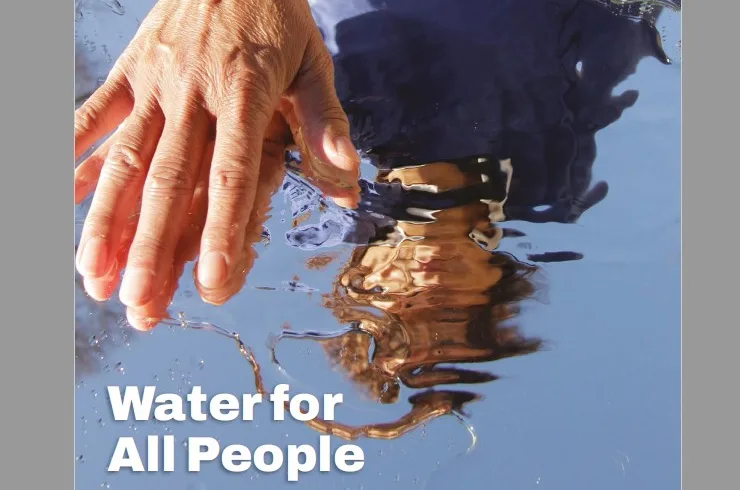
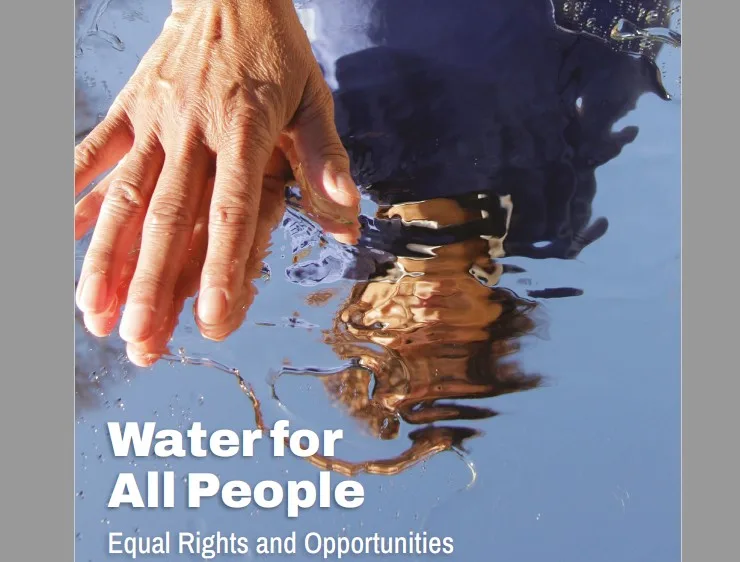
The report, titled Water for All People: Equal Rights and Opportunities, warns that 2.1 billion people still lack safely managed drinking water. Women and girls spend an estimated 250 million hours each day fetching water, often at the expense of education and income opportunities.
Poor sanitation facilities also disproportionately affect women and girls. Between 2016 and 2022, about 10 million adolescent girls across 41 countries missed school, work or social activities due to lack of toilets and menstrual hygiene facilities.
Climate change is worsening the problem. A 1°C rise in temperature reduces incomes in female‑headed households by 34% more than in male‑headed households, the report said.
Recommendations include removing barriers to women’s water and land rights, scaling up gender‑responsive financing, investing in sex‑disaggregated data, and strengthening women’s leadership in water governance.
The report is published annually to mark World Water Day.