ROME – Researchers in Italy have developed what they describe as the most advanced pediatric brain tumor model to date, offering a new tool to test experimental drugs without exposing children to risk.
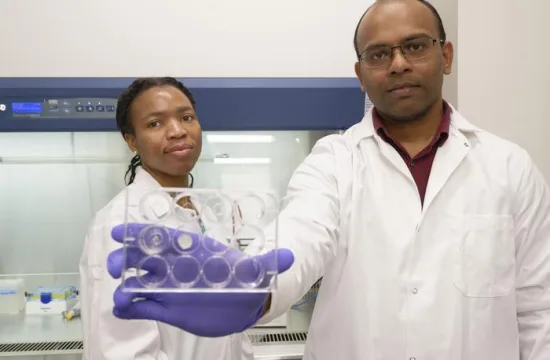
The project, coordinated by the University of Trento in collaboration with Bambino Gesù Children’s Hospital in Rome, was published in Nature Protocols. The model uses patient-derived organoids (PDOs), also known as tumoroids, created from biopsies. These three-dimensional systems replicate the molecular and structural complexity of tumors more accurately than traditional two-dimensional cultures.
“This is like studying what happens in vivo in a tumor avatar, with the advantage of verifying therapies without testing them directly on sick children,” said Luca Tiberi, professor at the University of Trento’s Department of Cellular, Computational and Integrative Biology and project coordinator. He added that the protocol provides a scalable platform for in-vitro modeling of pediatric brain tumors and could expand preclinical pharmacological studies in neuro-oncology.
The research focused on ependymoma and medulloblastoma, two of the most aggressive malignant brain tumors in children. According to Tiberi, biopsy-derived tumoroids preserve cellular heterogeneity and phenotypic complexity lost in other models, enabling broader pharmacological screening.
The Bambino Gesù Children’s Hospital contributed biological samples and helped characterize the organoids. “These models provide a deeper understanding of the disease and allow for more precise study of treatment responses,” said Evelina Miele of the hospital’s Oncohematology and Cell Therapies Unit.
The team is also working on developing models for less aggressive pediatric brain tumors, such as low-grade gliomas, to expand drug testing options.