IMAGE: deepai COLOGNE, Dec 31 – Scientists in Germany have identified a biological mechanism that helps explain why small cell lung cancer (SCLC), one of the most aggressive forms of lung cancer, relapses quickly despite…
An eye for high explosives
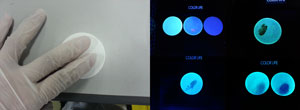
Fluorescent polymer points the finger at traces of explosive devices. [caption id="attachment_13248" align="alignright" width="300"] The polymer-coated polymer readily could detect fingerprints contaminated with traces of four common high explosives, including TNT Reprinted from Ref. 1…
Engineered Therapy for Blood Clotting Disorder Shows Early…
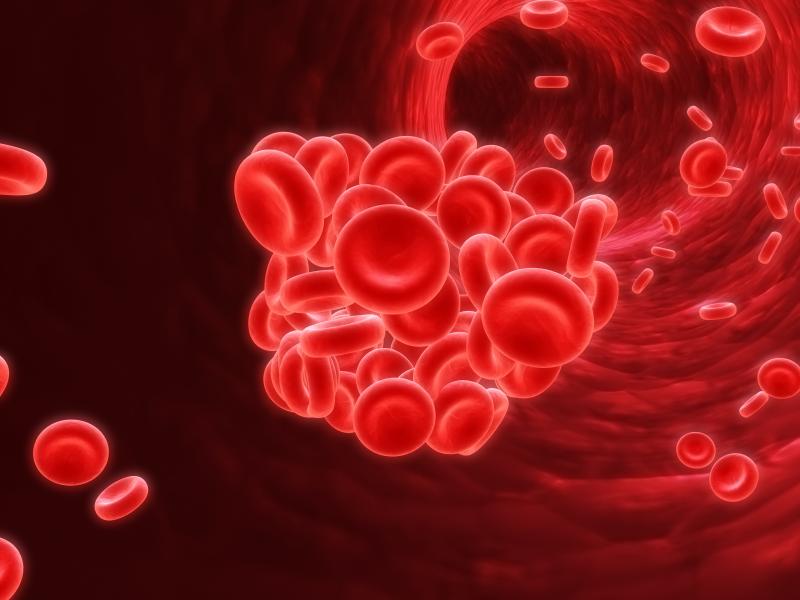
An investigational treatment that mimics a key clotting enzyme is effective, safe, and may one day eliminate the need for blood products for people with the rare, life-threatening blood disease hereditary thrombotic thrombocytopenic purpura (TTP),…
Celebrating Herschel’s legacy
[caption id="attachment_13241" align="alignnone" width="700"] Credit: ESA/Herschel/NASA/JPL-Caltech; acknowledgement: R. Hurt (JPL-Caltech), CC BY-SA 3.0 IGO[/caption] This delicate image showing the intricacies of interstellar bubbles and wisps reveals great turmoil in the W3/W4/W5 complex of molecular clouds…
Citizen scientists scour Madison area for invasive jumping…
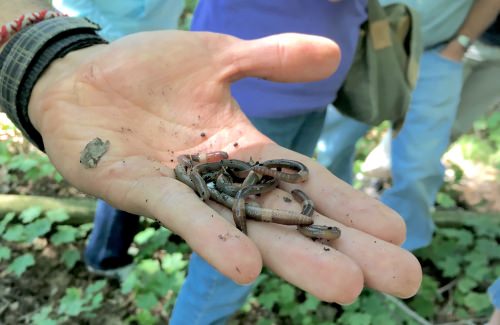
[caption id="attachment_13237" align="alignnone" width="643"] UW–Madison Arboretum ecologist Brad Herrick displays several jumping worms that surfaced to escape irritating mustard poured on the soil. PHOTO: ERIC HAMILTON[/caption] From Fitchburg to Governor’s Island and Monona to Middleton,…