BERLIN, May 24 – Large parts of Europe offer strong potential for climate-smart rewilding – a strategy that combines ecosystem restoration with climate mitigation and adaptation – according to a new analysis published in One Earth.
Researchers from the German Centre for Integrative Biodiversity Research (iDiv), Martin Luther University Halle-Wittenberg (MLU), and the EU Horizon project WildE said eastern and southern Europe showed the highest overall suitability, while northern regions stood out for climate adaptation. Western Europe was more constrained due to landscape fragmentation.
“Climate-smart rewilding brings together ecosystem restoration and climate mitigation – two urgent EU priorities that do not always progress at the same pace,” said lead author Dr Gavin Stark of iDiv and MLU.
The framework builds on traditional rewilding – giving nature more space and restoring natural processes – but adds interventions that consider climate benefits and ecosystem services for communities.
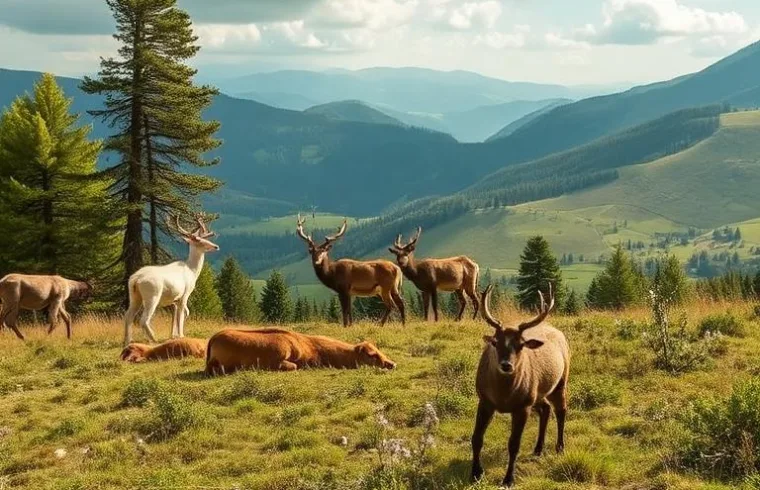
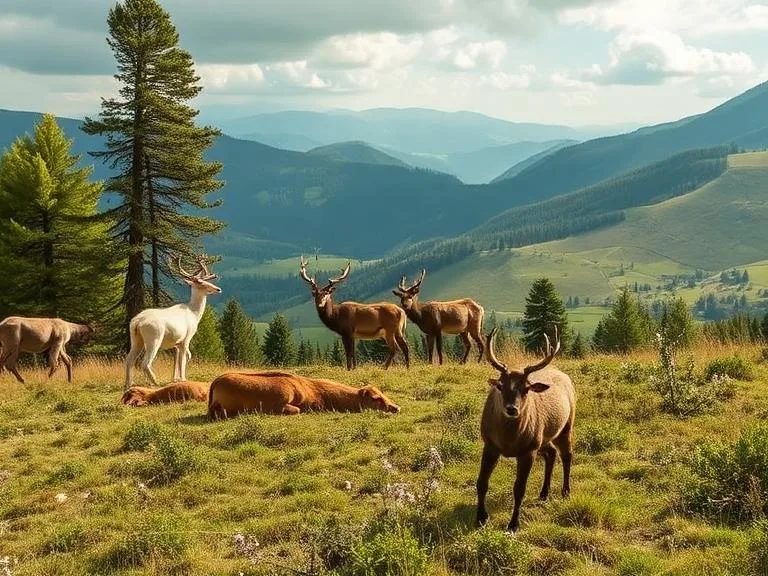
Examples include abandoned farmland that can boost biodiversity and carbon storage but also raise wildfire risks. Researchers said interventions such as natural grazing by reintroduced herbivores or controlled livestock grazing could reduce dry biomass that fuels fires.
Connectivity hotspots in the Baltic States, Finland and Sweden were also identified, where restoring ecological corridors could support biodiversity recovery and climate adaptation. But the authors cautioned that such measures must be balanced with agricultural, forestry and regional development priorities.
“Climate-smart rewilding moves beyond single-goal ecological restoration approaches that focus either on climate change or biodiversity change alone,” said senior author Prof Dr Henrique Pereira of MLU and iDiv. “It helps practitioners and decisionmakers see which interventions could have the most impact when implemented in the right regions.”
The framework’s performance is context-dependent, requiring adjustments to local conditions and spatial scale. Data and maps are available via the WildE Knowledge Hub, EBV Data Portal and Zenodo, enabling policymakers and land managers to adapt the analyses to their own planning contexts.