

More than one in four patients with resistant hypertension have elevated cortisol levels, according to new findings from the MOMENTUM study presented at the American College of Cardiology’s 2026 Scientific Session.
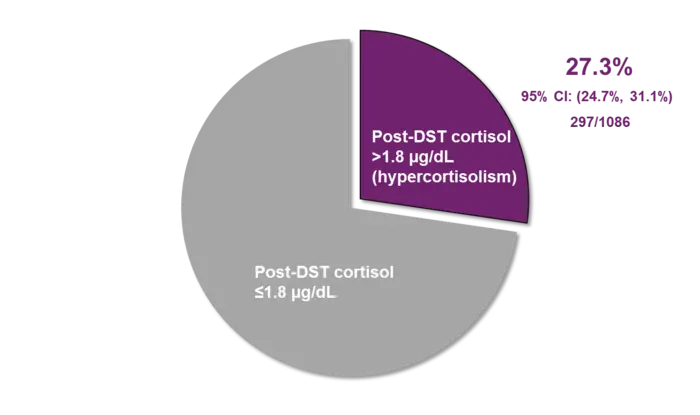
Researchers led by Dr. Deepak L. Bhatt of Mount Sinai Fuster Heart Hospital found that 27% of patients with resistant hypertension – defined as blood pressure that remains high despite treatment with three or more medications – had hypercortisolism, a condition caused by excess production of the stress hormone cortisol.
The study, the largest of its kind in the United States, analyzed 1,086 participants across 50 centers. Patients underwent a dexamethasone suppression test to measure cortisol levels. Of those tested, 297 met the criteria for hypercortisolism.
Investigators also found that 20% of patients had primary hyperaldosteronism, another hormone-related condition, and 6% had both disorders. Patients with impaired kidney function were more likely to have hypercortisolism.
“These findings should prompt more screening for excess cortisol in patients with resistant hypertension,” Bhatt said. He added that randomized trials are needed to determine whether therapies targeting cortisol can improve blood pressure control.
Resistant hypertension affects nearly 10 million Americans and carries a high risk of heart attack and heart failure. Hypercortisolism itself can contribute to weight gain, diabetes, and muscle loss, underscoring the importance of identifying and treating the condition.
The study was funded by Corcept Therapeutics, with Bhatt serving as a paid consultant.
Mount Sinai Fuster Heart Hospital, where Bhatt is director, ranks among the top centers globally for cardiology and heart surgery.