BEIJING, May 29 – A team of researchers in China has unveiled a new catalyst engineering strategy that could accelerate efforts to recycle plastic waste, according to a study published in Engineering.
Scientists from Soochow University and partner institutions said they developed a universal entropy‑reduction method that improves the hydrogenolysis of waste polyolefins – the most widely used plastics – by reconstructing catalyst surface polarity. The approach, they said, offers a scalable pathway for chemical upcycling in the circular economy.
Polyolefin hydrogenolysis has long been viewed as a promising recycling route, but the high entropy of polymer chains creates thermodynamic barriers that limit catalytic activity. Previous entropy‑reduction techniques often relied on precisely designed porous structures, which are difficult to scale and less effective with mixed plastic waste.
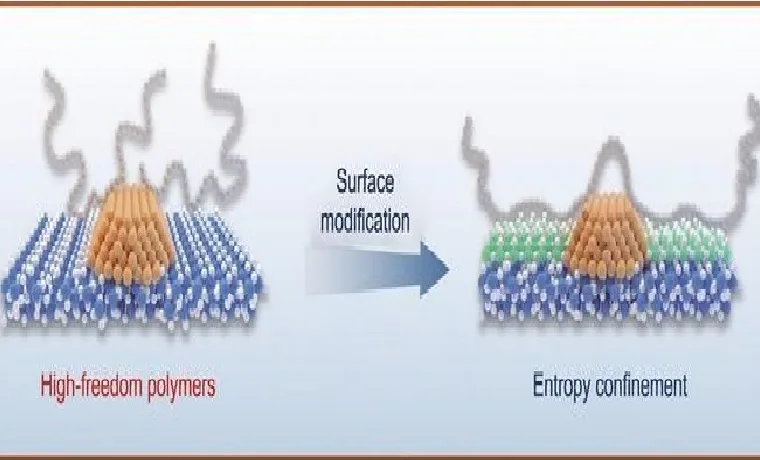
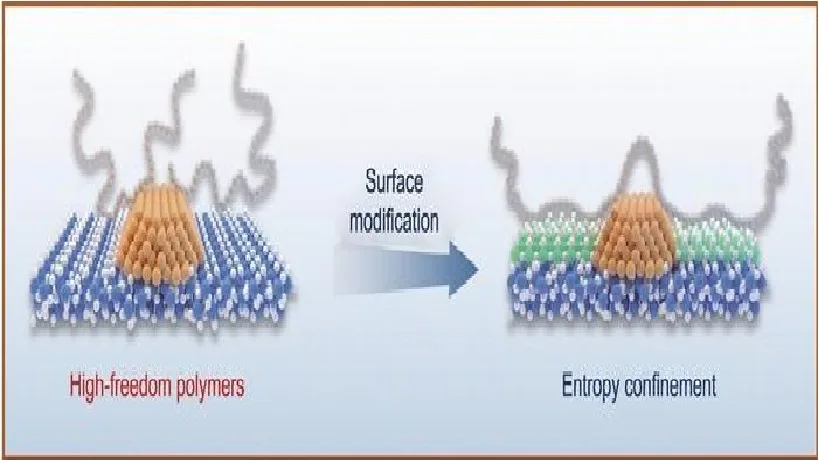
The team modified conventional supported metal catalysts using silane coupling agents, tailoring the polarity match between polymers and catalyst supports. This confined the molecular freedom of polyolefins during hydrogenolysis and stabilized transition‑state adsorption.
Ruthenium‑based catalysts prepared via wet‑impregnation and modified with silane coupling showed improved performance. Tests confirmed the modification did not cause metal leaching or alter the ruthenium active sites, but transformed catalyst surfaces from hydrophilic to hydrophobic, strengthening van der Waals interactions with polymer chains.
Further analysis using solid‑state nuclear magnetic resonance and molecular dynamics simulations revealed that the modified surfaces reduced conformational entropy and increased adsorption density of polyethylene chains. The enhanced activity was consistent across different oxide supports, including alumina, zirconia and titania.
The optimized catalyst demonstrated recyclability and stability in repeated runs and long‑term tests, and proved effective in converting a range of polyolefin materials – from low‑density and high‑density polyethylene to polypropylene – as well as commercial plastic waste such as bags, films and bottles.
Researchers said the entropy‑engineering approach provides a versatile and scalable modification route for traditional supported metal catalysts, helping overcome entropy‑related activity limitations and supporting the development of industrially viable plastic upcycling technologies.