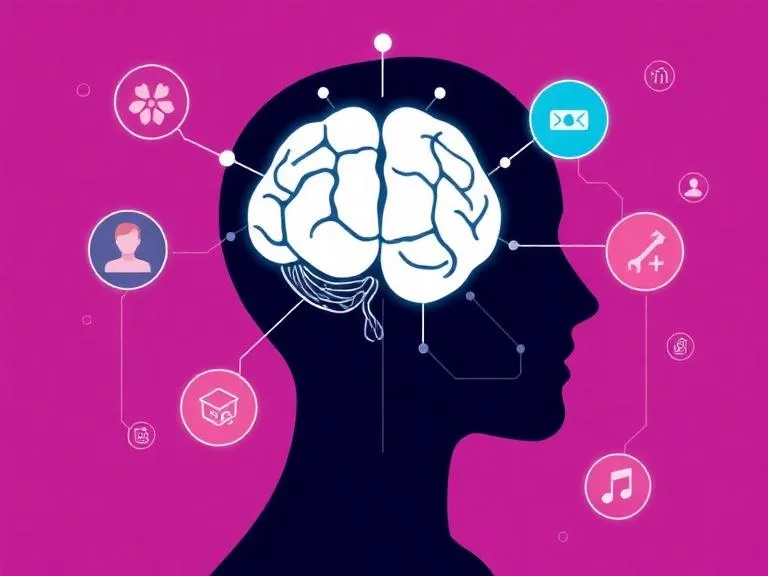
PHILADELPHIA, May 30 – As artificial intelligence chatbots gain traction in mental health support, a new study from Drexel University suggests most users view them as complements to human therapy rather than replacements.
The research, based on an analysis of more than 4 million Reddit posts, found people often turn to AI tools for reassurance, coping strategies and practical guidance. But users also voiced concerns about emotional dependence, misinformation, and overreliance on the technology. The findings will be presented at the 2026 Annual Meeting of the Association for Computational Linguistics.
“There is a growing concern right now because people are turning to general-purpose AI chatbots for mental health support,” said Shadi Rezapour, assistant professor at Drexel’s College of Engineering and Computing, who led the study. “But these programs were not designed or clinically validated for this purpose.”
The study comes amid rising adoption of AI in mental health. A 2025 American Psychological Association survey found nearly half of U.S. adults aged 18 to 80 had used large-language model tools for mental health purposes in the past year. Related research from Brown University reported that one in eight young adults sought advice from AI programs.
Rezapour’s team examined 5,126 posts across 47 mental health-related subreddits, applying sociological frameworks used to assess therapist-client bonds and technology adoption. Users described seeking empathy, reassurance for anxiety, coping strategies, and companionship, as well as practical help with organization and challenges linked to ADHD or autism.
About 51% of posts explicitly mentioned risks, including addiction and emotional dependence. Most users framed AI tools as complementary to therapy, often used when human care was unavailable or insufficient.
Researchers also identified what they called a “bond paradox”: positive outcomes were linked to AI assistance with specific tasks, while strong emotional bonds without clear goals were associated with dependence, worsening symptoms and difficulty disengaging.
“Our findings suggest that AI tools should not just be designed to feel warm or human-like,” said lead author Elham Aghakhani, a doctoral student at Drexel. “They need clear boundaries and safeguards.”
The study concludes that AI programs for mental health should be optimized for supportive interactions with defined limits, rather than companionship. Rezapour said evidence-based frameworks remain critical as adoption grows.