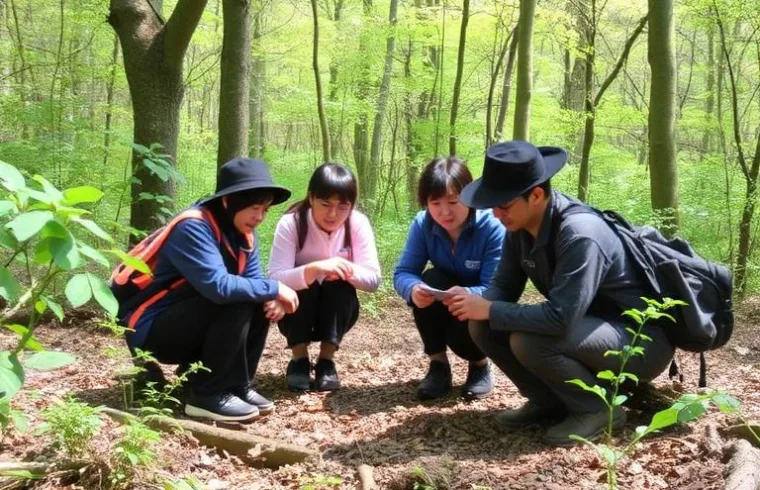
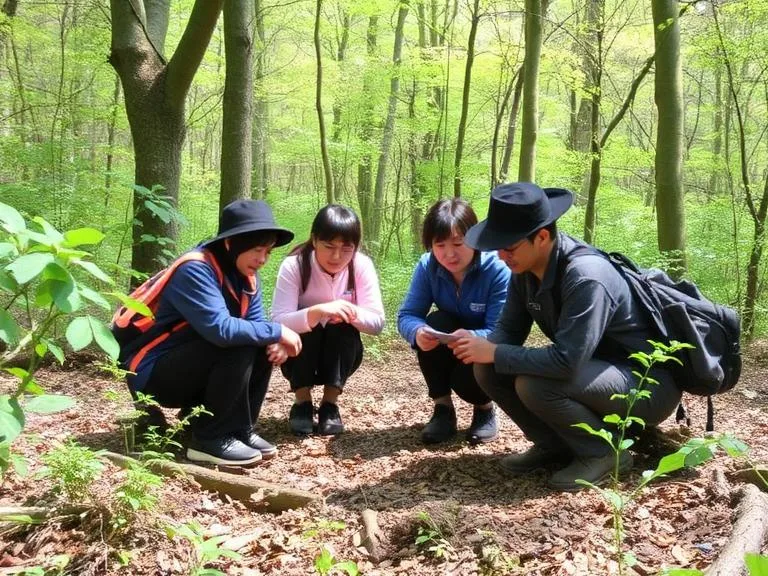
Tokyo – A study by Tokyo Metropolitan University has found that Japanese schoolteachers’ personal experiences with nature strongly shape how they teach biodiversity, raising questions about consistency in environmental education.
The survey, conducted in Hachioji City, Tokyo Prefecture, covered 69 public elementary schools and 37 junior high schools.
Researchers led by Professor Shinya Numata reported that biodiversity topics were generally given strong attention across grade levels.
However, certain areas, such as mass extinctions and endangered species conservation, were less frequently emphasized.
The team examined teachers’ psychological backgrounds using indices for Nature Relatedness (NR) and Childhood Nature Experiences.
They found that teachers with higher NR scores were more likely to highlight environmental threats and conservation issues, suggesting that emotional connections to nature influence classroom priorities.
By contrast, topics such as ecosystem services were widely taught regardless of teachers’ attributes, reflecting their explicit inclusion in the national curriculum.
The findings underscore the complexity of biodiversity education, shaped by personal experience, psychology, policy, and curriculum design.
The researchers argue that balancing locally relatable content with global concepts is essential to ensure comprehensive coverage of biodiversity in schools.