
CHENNAI, India – Pallanguzhi, a centuries-old board game rooted in South India’s cultural traditions, is seeing renewed interest as organizations attempt to revive the pastime once widely played by women in rural communities.
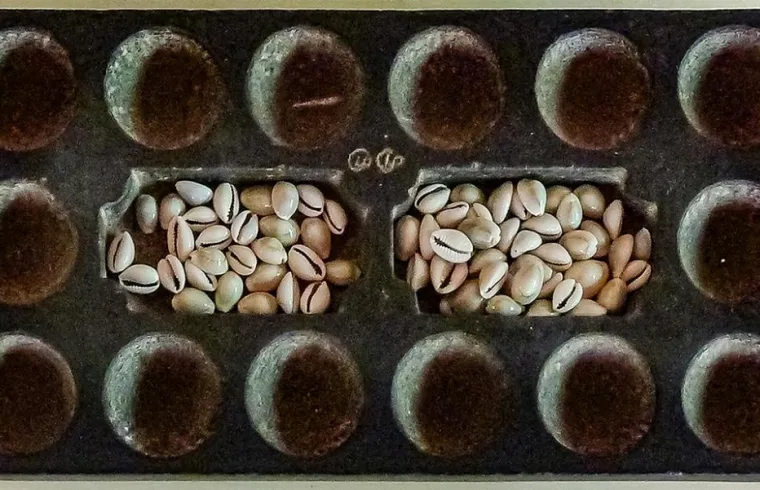
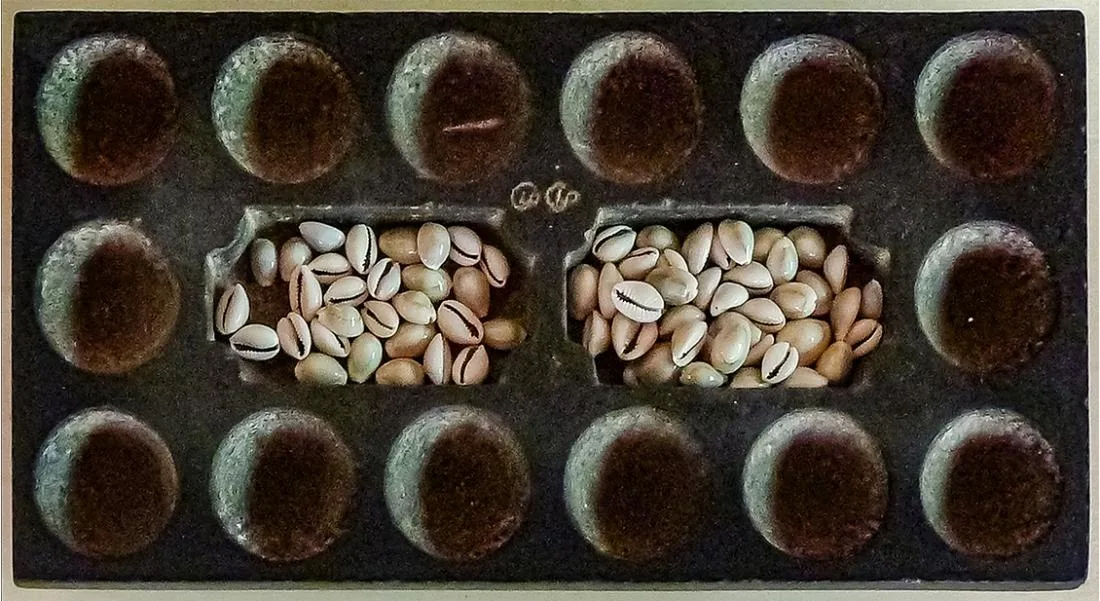
The game, part of the broader family of mancala games found across Africa and Asia, is played on a wooden board with pits filled with cowrie shells, tamarind seeds, or stones. Two players take turns redistributing the seeds counterclockwise, capturing them through strategic moves. Victory depends on arithmetic precision and spatial planning, with rounds ending when players can no longer refill pits to their original count.
Historians say Pallanguzhi’s resemblance to East African mancala variants suggests it may have traveled to India via Indian Ocean trade routes, linking Africa, South Asia, and Southeast Asia before colonial times. Boards commissioned by wealthy families were often crafted from sandalwood, ivory, or silver, while rural players improvised with pits dug into sand.
Though variations exist across Tamil Nadu, Karnataka, and Andhra Pradesh, the game’s popularity has waned in urban centers. Traditionally played during festivals such as Shivaratri and Ramzan, pallanguzhi is now largely confined to rural households.
Cultural organizations, including Kreeda, are working to reintroduce the game to younger generations by producing contemporary sets and promoting it in schools and research circles. Advocates say the game’s emphasis on quick calculation and hand-eye coordination makes it more than just entertainment, offering educational value as well.
“Pallanguzhi is not only a game but a cultural marker of South Indian heritage,” said a Chennai-based researcher. “Its revival is about preserving memory and tradition in a rapidly modernizing society.”