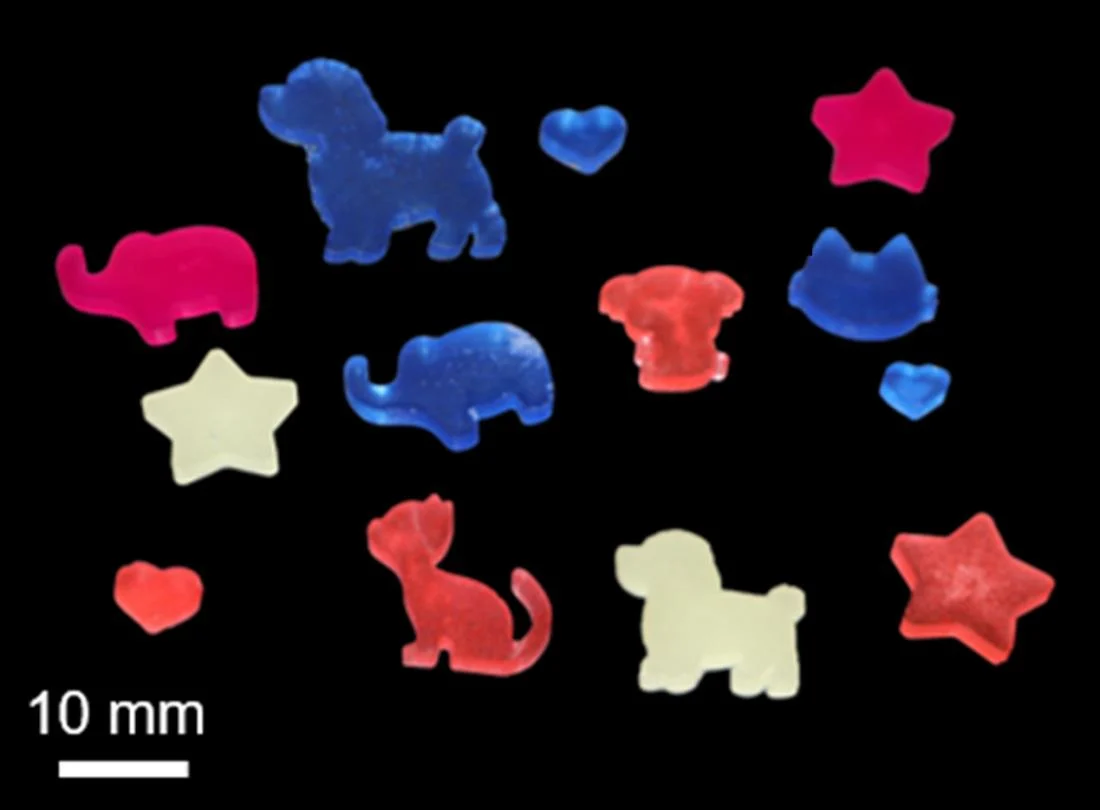
Researchers in Japan say they have found a way to recycle coloured plastics without losing quality — a breakthrough that could help tackle growing waste problems.
Packaging often uses bright colours to attract buyers, but when these plastics are recycled, the colours mix together. This produces dark, low-value materials in a process known as downcycling. Current methods to remove colourants either fail to separate them properly or require very high temperatures, consuming large amounts of energy.
A team led by Associate Professor Kenji Okada and Professor Masahide Takahashi at Osaka Metropolitan University, working with Fuji Pigment Co., has developed a new approach. They use tiny silica microspheres to trap colourants through a spray-drying process. Silica, a material found in sand and glass, is resistant to heat and chemicals, making the colour capsules durable during manufacturing.
Professor Okada explained: “When the plastic is dissolved in a solvent, only the plastic breaks down. The colour capsules remain intact and can be separated with almost 100% efficiency.” By using capsules of different sizes, colours can also be sorted with simple sieves.
Tests showed that plastics recycled with this method kept their colour and quality even after multiple cycles. Professor Takahashi said the process works at room temperature, cutting energy use and reducing environmental impact. The team hopes the technology can be applied to everyday items such as PET bottles and shopping bags, helping build a more sustainable recycling system.