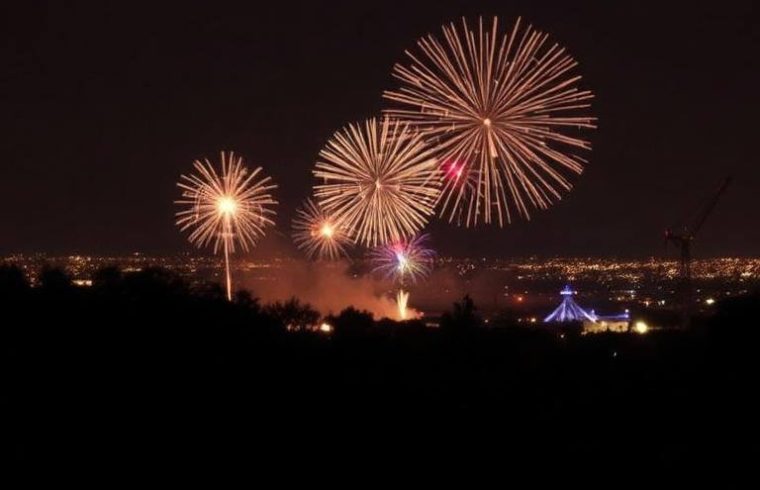
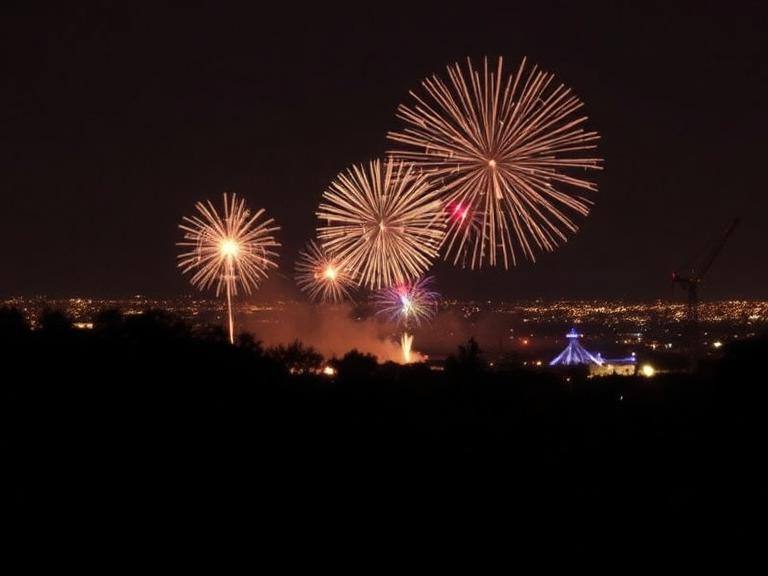
WASHINGTON- Three new scientific studies are drawing attention to the environmental impact of fireworks, showing how residues from celebratory displays can affect water, air quality, and wildlife.
The research, published in journals of the American Chemical Society (ACS), examined the aftermath of pyrotechnic events, from litter left behind to airborne compounds released during explosions.
Water contamination from firecracker litter
A study in Environmental Science & Technology found that firecracker debris released metal ions such as potassium and manganese, along with dissolved organic matter, into water. The residues also absorbed existing compounds, altering water chemistry in ways that could disrupt microbial activity and aquatic life. Researchers said proper cleanup of spent fireworks could help reduce these risks.
Air quality concerns at public events
In ACS ES&T Air, scientists monitored particulate matter during a multi-day athletic competition in the U.K. They reported spikes in fine and coarse particles linked to cooking aerosols, vehicle dust and fireworks. Attendees who stayed for the entire event were exposed to pollutant levels above World Health Organization guidelines, underscoring the role of celebrations in short-term air pollution.
Amines contribute to post-firework haze
A third study, published in Environmental Science & Technology Letters, measured amines during Lunar New Year celebrations in suburban China. Levels of these compounds, along with fine particles and other pollutants, rose sharply during fireworks displays. The findings suggest fireworks contribute more than smoke to haze, adding chemical reactions that worsen air quality.
The ACS said the studies provide new insights into how fireworks affect the environment and human health.