T cells are the immune system’s frontline fighters, hunting down and destroying diseased cells. But in chronic battles — against viruses, cancer or autoimmune disorders — the body needs a steady supply of fresh troops. How those reinforcements are generated has long been unclear.
Now, scientists at Memorial Sloan Kettering Cancer Center (MSK) and Weill Cornell Medicine say they have found the answer: a rare subset of “stem T cells” that continuously replenish the immune arsenal. Their study, published July 1 in Cell, identifies a protein called LEF1 as central to this process.
LEF1 as a Switch
The team showed in laboratory models that LEF1-positive stem T cells are critical for sustaining immunity. Boosting these cells helped overcome T cell exhaustion in chronic viral infection. Removing them, by contrast, curbed overactive immune responses in type 1 diabetes.
“Turn it up, and you get more stem cells. Remove it, and the stem cell pool disappears,” said senior author Andrea Schietinger, PhD, of MSK’s Sloan Kettering Institute. “Which of those is desirable depends on the disease context.”
Shared Mechanism Across Diseases
The researchers compared stem T cells from autoimmune diabetes and chronic viral infection. Despite the diseases’ differences, the cells clustered together molecularly, driven by LEF1. They identified 117 genes with shared activity patterns, suggesting a common biological playbook.
“This points to a fundamental mechanism by which the immune system sustains stem T cells under chronic stress,” said Doron Betel, PhD, of Weill Cornell Medicine. “It opens the possibility of new therapeutic strategies across a broad range of conditions.”
Location Matters
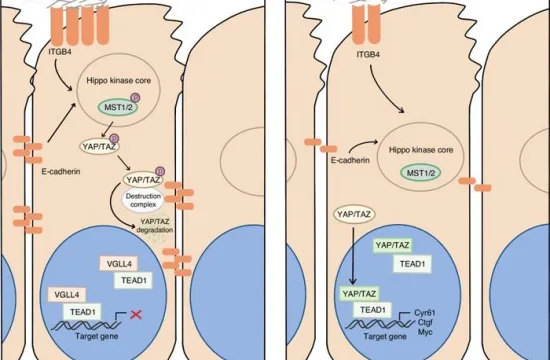
Like stem cells in the gut or bone marrow, immune stem T cells depend on specialized niches. Disrupting signals that guide them to these locations — through integrins or Notch pathways — caused the stem T cell pool to collapse.
“Stemness isn’t just about what’s inside the cell,” Schietinger said. “It’s also about where the cell lives and what signals it receives.”
Toward New Therapies
The findings highlight how basic science can inform treatment. In autoimmune disease, blocking stem T cells could prevent attacks on healthy tissue. In cancer or chronic infection, boosting them could sustain the immune response.
“Understanding how T cells sustain themselves — and how their environment shapes them — is fundamental to understanding cancer,” Schietinger said. “Engineering niches where cancer-fighting stem T cells can thrive is at the heart of our research now.”